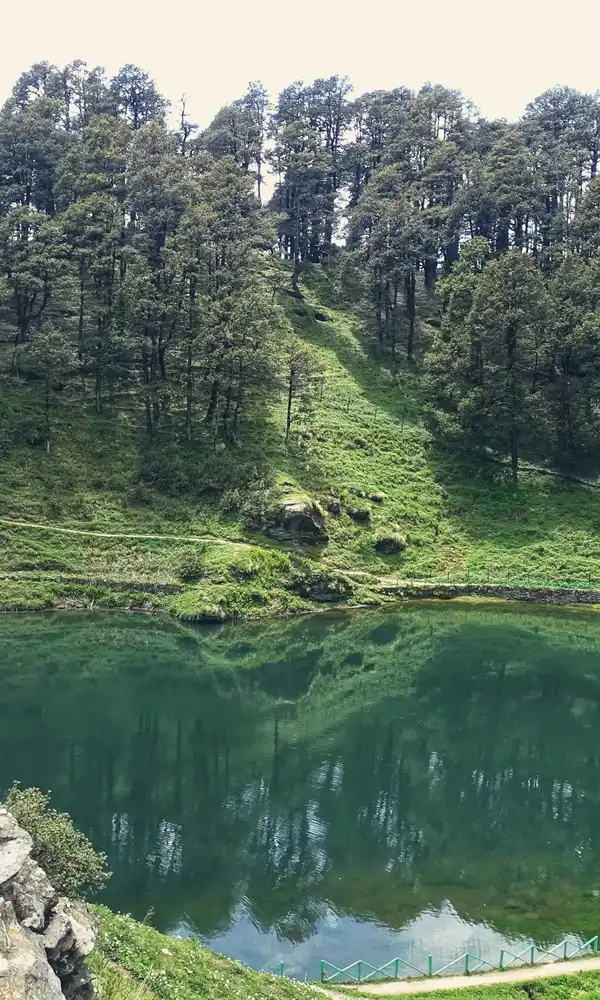
Destination guideKullu, Himachal Pradesh
Jibhi & Tirthan Valley Quiet valleys below Jalori Pass
Last updated
In short
Overview
Jibhi and the Tirthan valley are in Banjar sub-division of Kullu district, south of the Chandigarh–Manali highway. Banjar, at 1,435 m, sits where the Pushpabhadra from Jibhi meets the Tirthan, a protected free-flowing trout river that rises in the Great Himalayan National Park, a UNESCO World Heritage Site since 2014. Jalori Pass and the walk to Serolsar lake are above Jibhi. Leisure Himachal plans it as a few quiet nights, or a stop between Shimla and Manali.
Getting there
How to reach Jibhi & Tirthan Valley
By air
Kullu–Manali Airport at Bhuntar, about an hour and a half away by Aut; or Chandigarh.
By rail
No railway nearby; Chandigarh and Kalka are the nearest broad-gauge stations.
By road
Leave the Chandigarh–Manali highway at Aut, then about 24 km to Banjar and 8 km more up to Jibhi. From Shimla, the summer road by Narkanda, Ani and Jalori Pass comes down into Jibhi. Jibhi is about 100 km from Manali.
Permits. No permit is needed for Jibhi, Jalori or Serolsar. Treks inside the Great Himalayan National Park need a park permit, arranged at the park's information centre on the Tirthan side, and a registered guide.
Sights
What to see in Jibhi & Tirthan Valley
- 01
Jalori Pass
The pass above Jibhi, at about 3,100–3,200 m, with views of the main Himalaya. Snowbound from about December to March.
- 02
Serolsar lake
A small lake in oak and deodar forest, about 5 km on foot from Jalori Pass along an easy ridge path. A short, easy walk with a big reward.
- 03
Raghupur fort
The ruined fort on the meadows on the other side of Jalori, a short climb with a wide view.
- 04
The Tirthan river
A clear, free-flowing trout river, protected by the state legislature, with homestays along its banks at Gushaini and beyond.
- 05
Great Himalayan National Park
1,171 km² of forest, meadow and high peak, established in 1984 and a World Heritage Site since 2014. Treks start from the Tirthan side near Gushaini.
- 06
Chehni Kothi
A tall tower-temple of stone and timber above Jibhi, the fort of the valley deity Shringa Rishi.
The guide
Jibhi & Tirthan Valley travel guide
Why go?
Jibhi and the Tirthan valley are what Manali was before the crowds: wooden villages, apple orchards, deodar forest and cold, clear rivers, with very few cars. There is little to “see” in the sightseeing sense. People come to walk, to sit by the river, and to cross Jalori on one of Himachal’s prettiest roads.
When to go
- March to June — the best walking weather; rhododendrons in spring, Jalori open from about April.
- July and August — monsoon; lush but wet, with landslides on the mountain roads.
- September to November — clear skies, and the best views from Jalori.
- December to February — quiet and cold; Jalori is shut by snow, Jibhi gets it only now and then.
How it fits into a trip
- A stop between Shimla and Manali — in summer, drive over Jalori, spend a night or two at Jibhi, and carry on by Aut. See the Shimla to Manali taxi for both roads.
- Two or three nights from Manali — about 100 km away; easy to add to a Manali trip.
Jibhi and Tirthan are not on our fixed packages. Tell us your dates on WhatsApp and we’ll plan the nights, the car and, for the national park, a registered guide.
Before you go
Jibhi & Tirthan Valley: questions
How far is Jibhi from Manali?
About 100 km, roughly three hours: down the Kullu valley to Aut, then up through Banjar to Jibhi.
How far is Jalori Pass from Jibhi?
About 14 km by road, on the way up to the pass from Jibhi and Shoja. Serolsar lake is a further 5 km or so on foot from the pass.
Is Jalori Pass open in winter?
Usually not from about December to March, when snow closes the road over the pass. Jibhi itself stays reachable from Aut and Banjar, and gets snow only now and then.
What is the Tirthan valley known for?
Its clear trout river, protected as a free-flowing river, the homestays along it, and the entrance to the Great Himalayan National Park, a UNESCO World Heritage Site since 2014.
Can we visit Jibhi on the way from Shimla to Manali?
Yes, in summer. Take the road by Narkanda and Jalori Pass, spend a night or two at Jibhi, and join the main highway at Aut for Manali.
More destinations
-
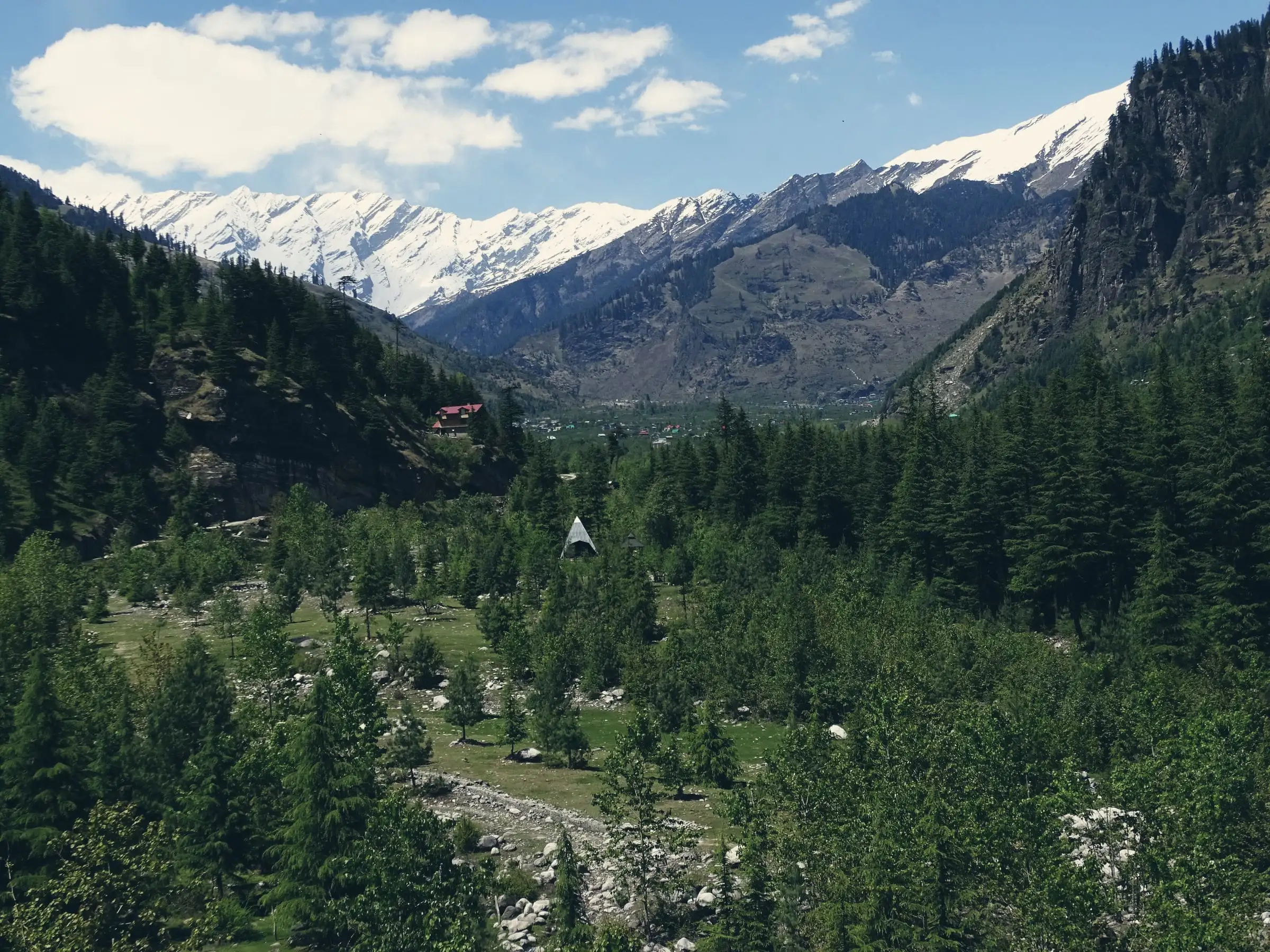
Manali
Snow, Solang & the Rohtang road -
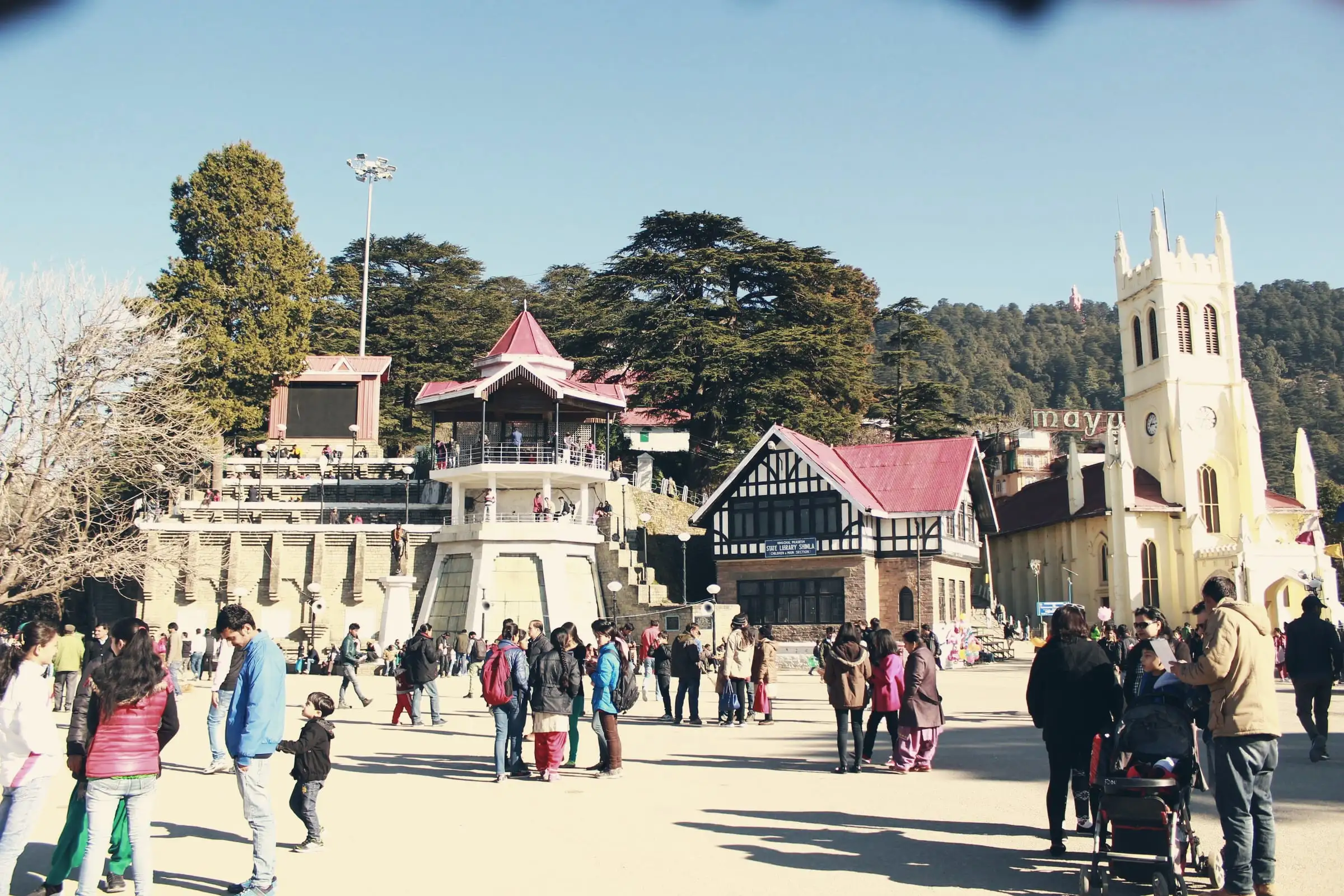
Shimla
Colonial heritage & Kufri -
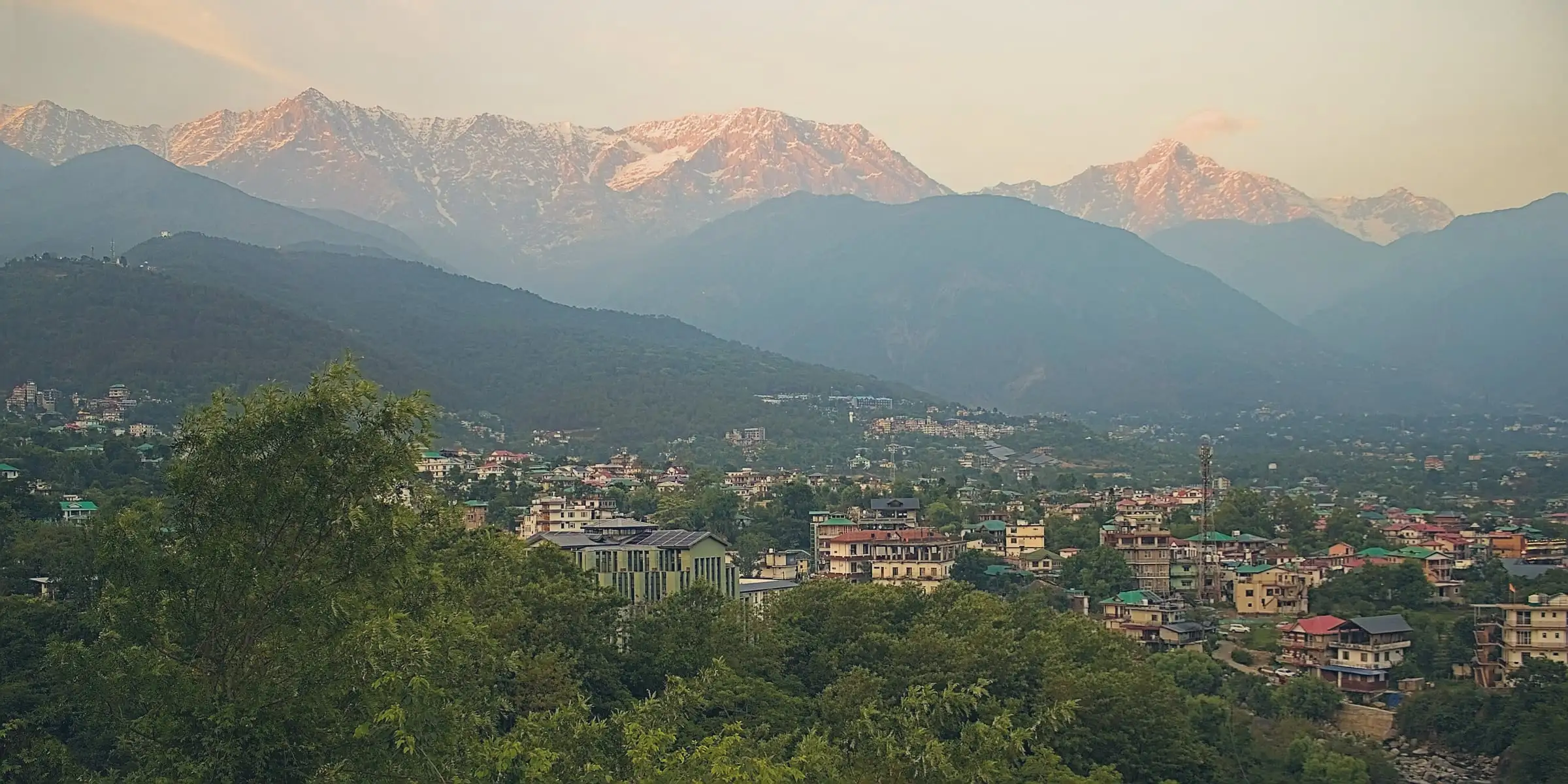
Dharamshala & McLeodganj
Culture, cafés & the Dhauladhar -
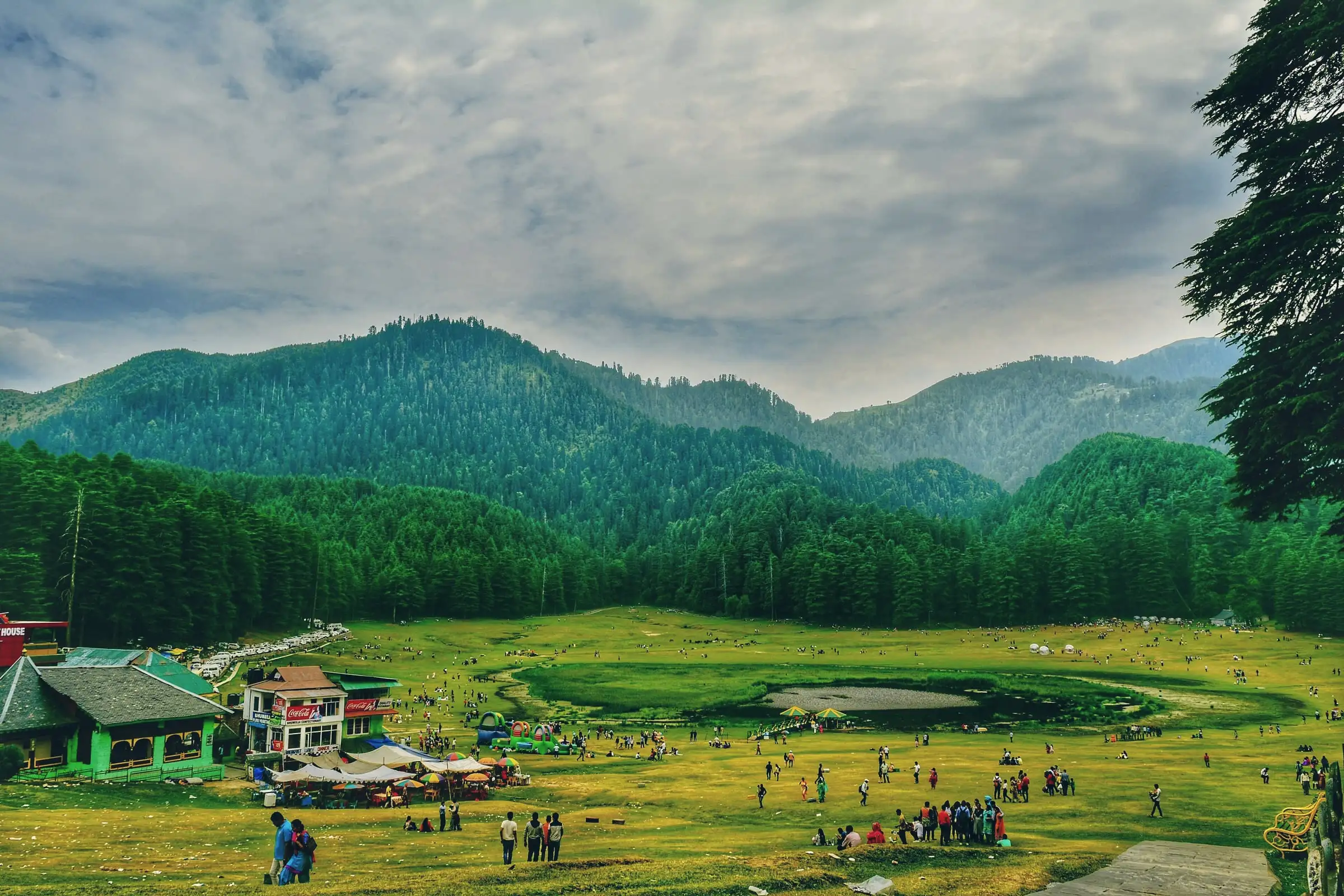
Dalhousie & Khajjiar
Pine ridges & the Khajjiar meadow -
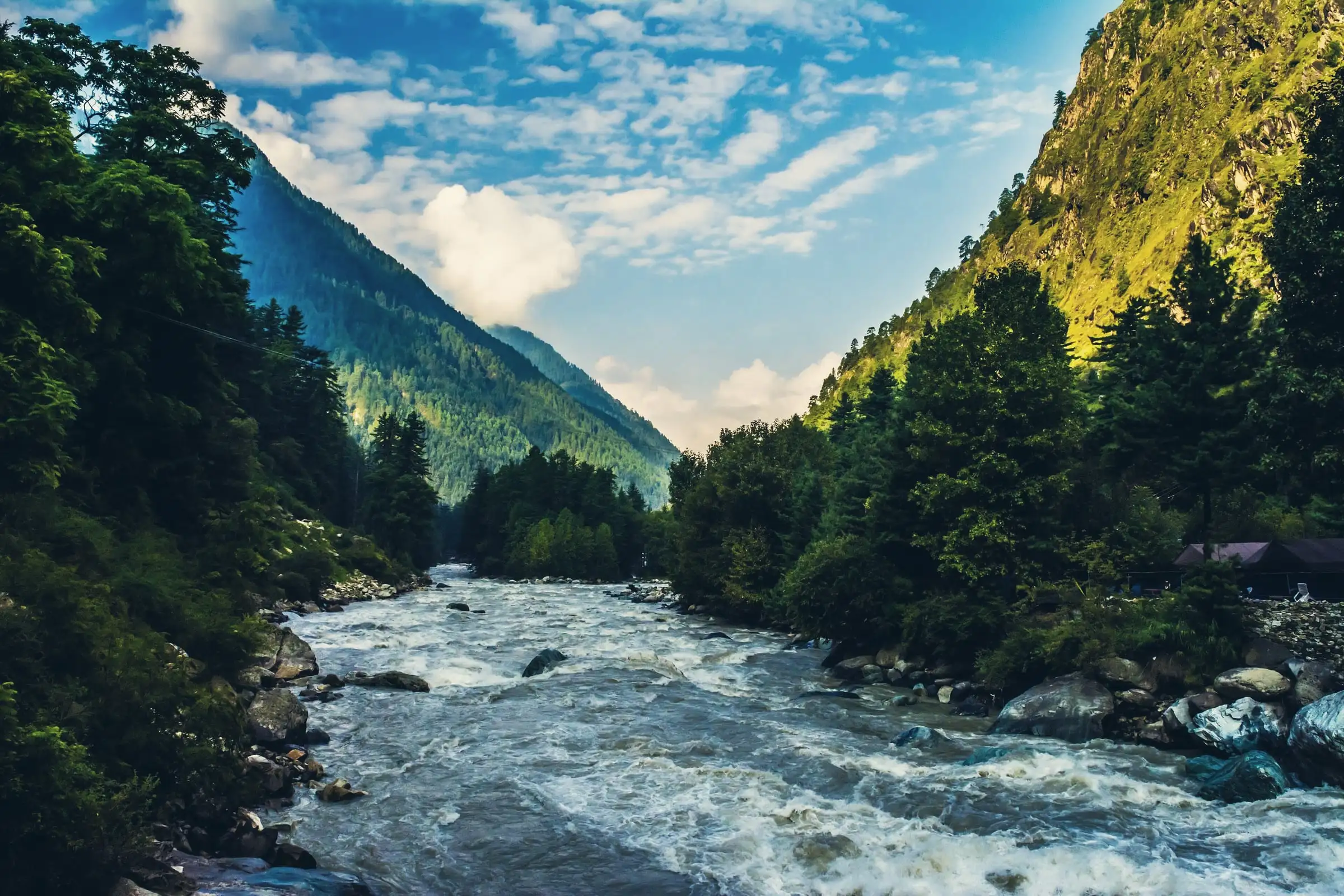
Kullu, Kasol & Manikaran
The Beas, the Parvati & hot springs -
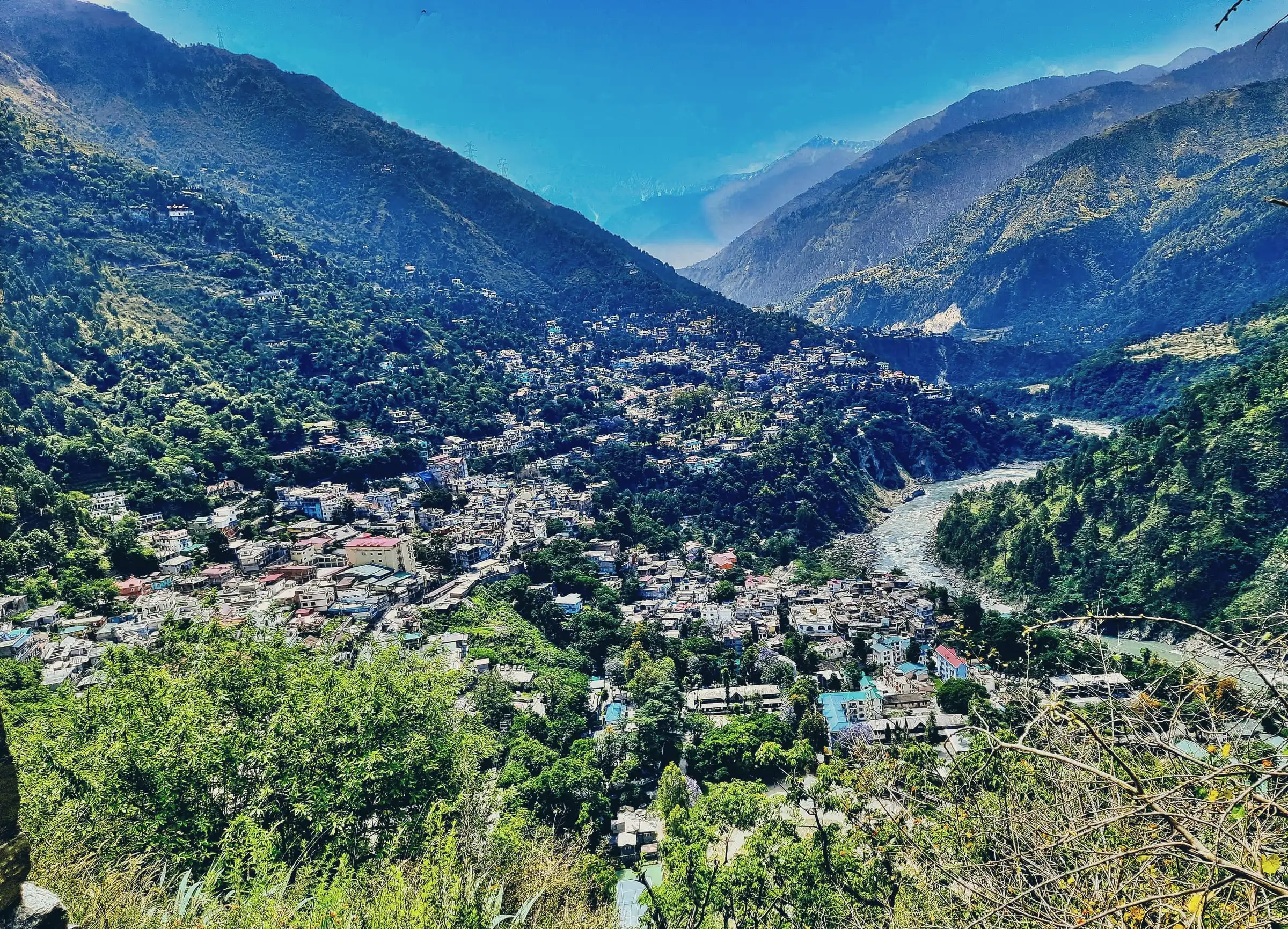
Chamba
Temples on the Ravi -
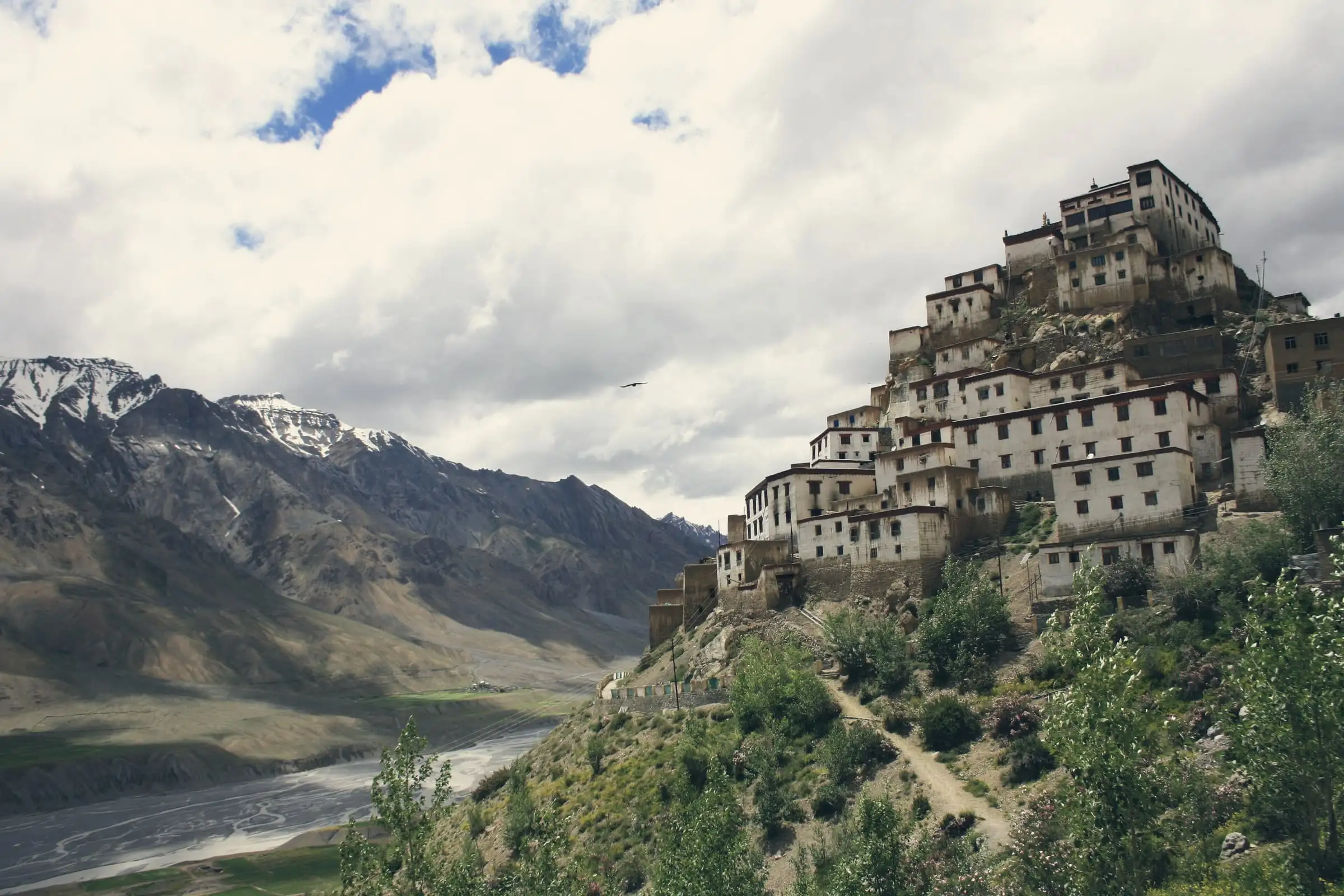
Spiti Valley
The high-altitude cold desert -
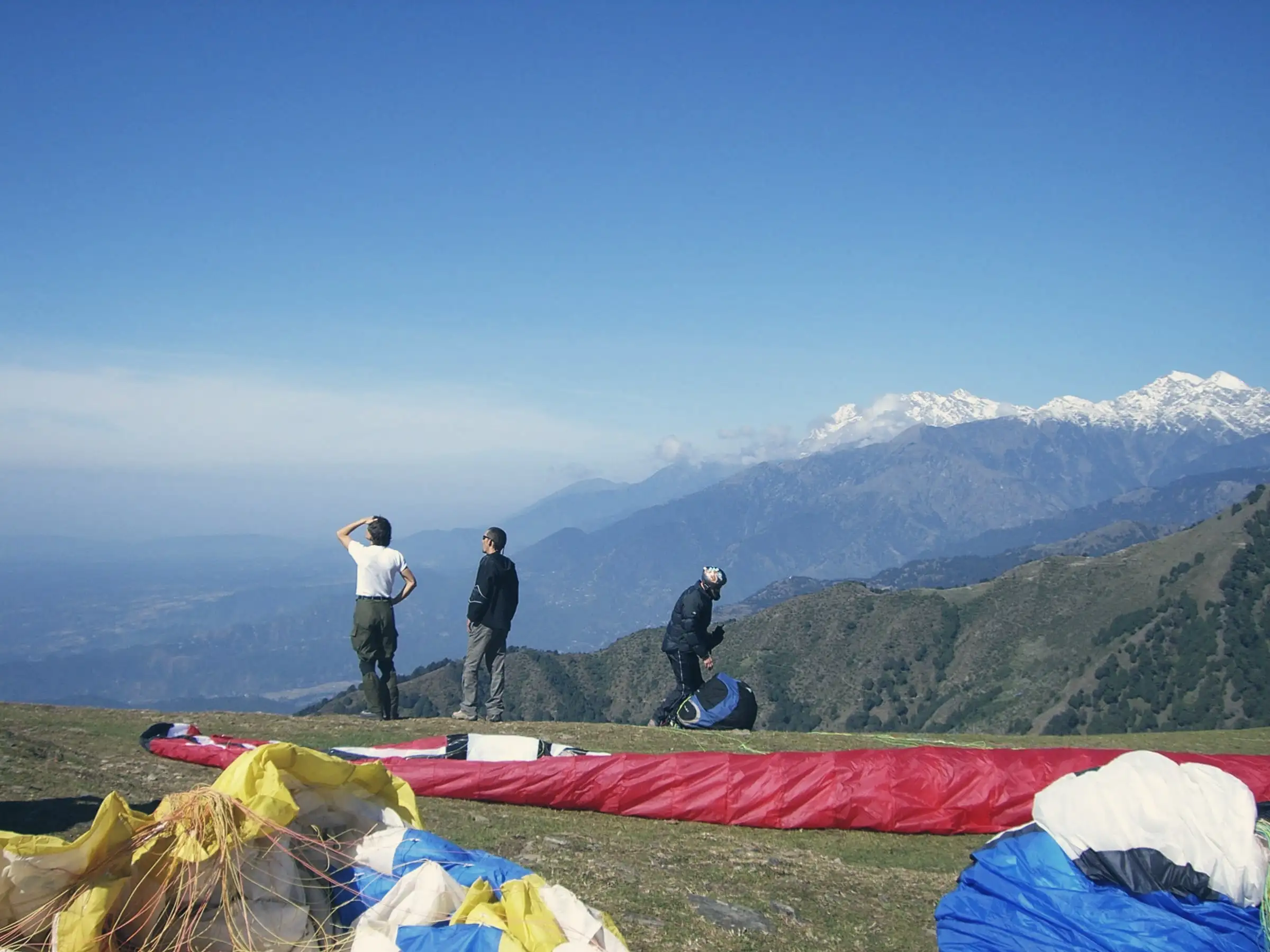
Bir Billing
Paragliding above the Kangra valley -
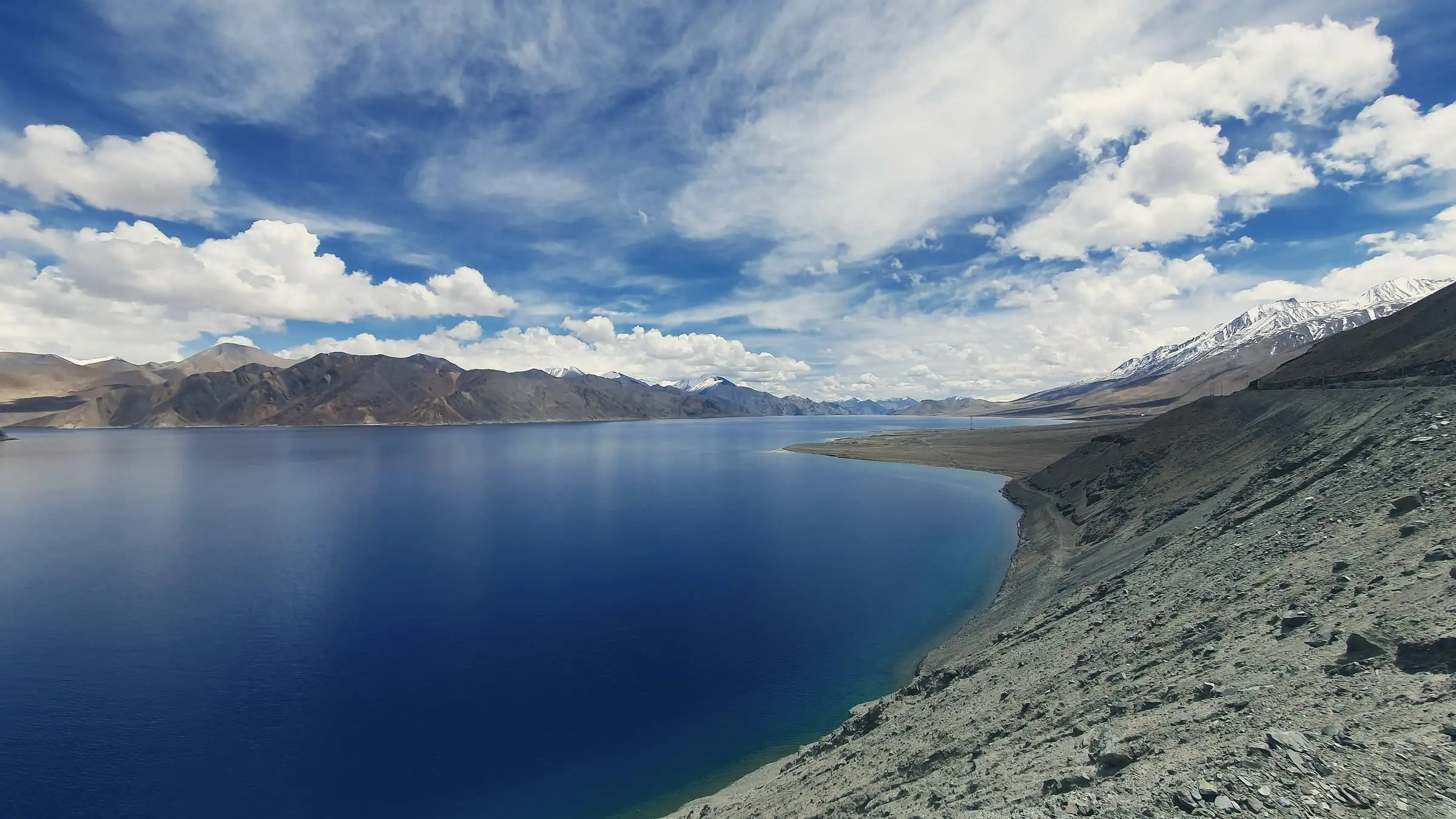
Leh-Ladakh
Jeep safaris over the high passes -
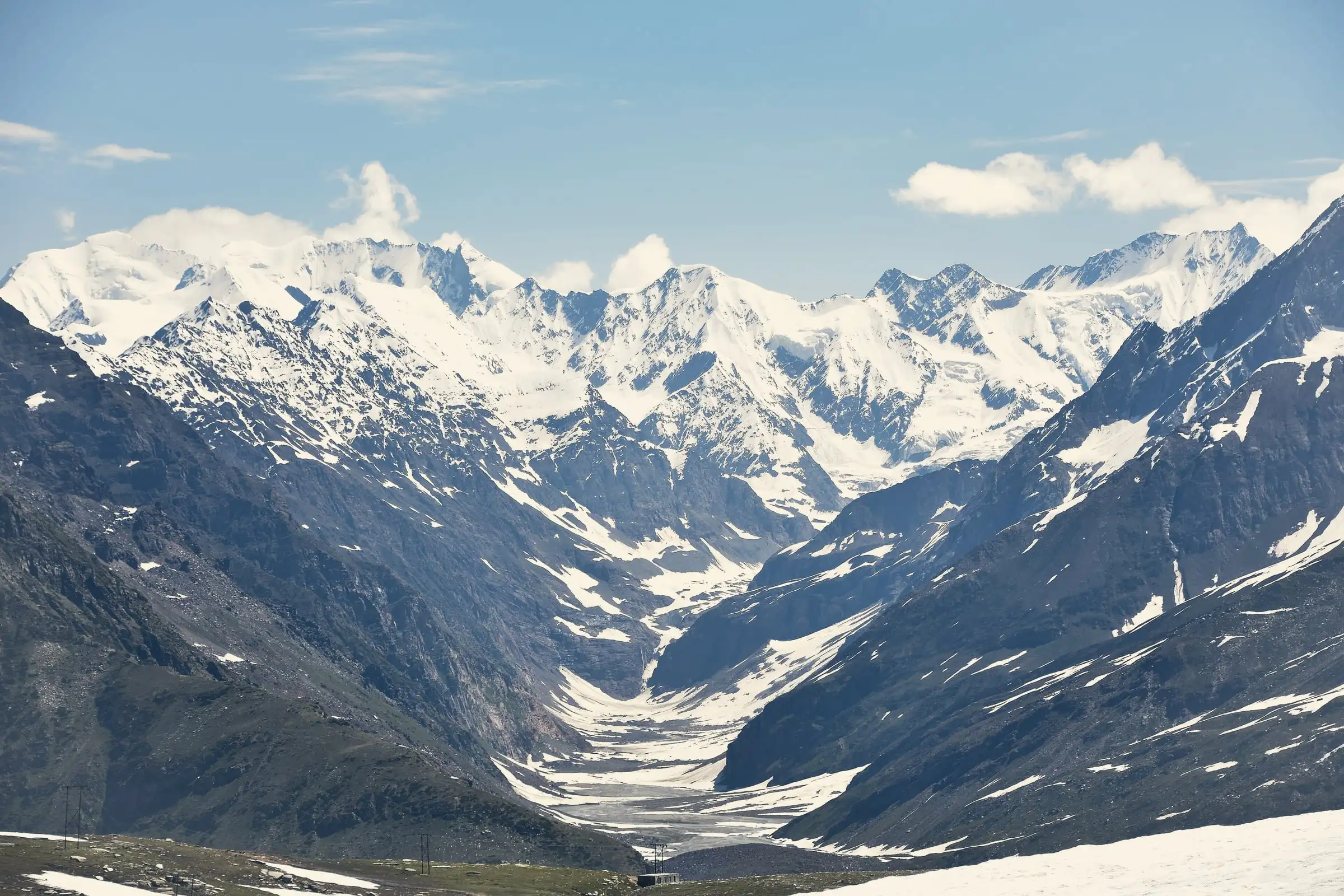
Lahaul Valley
Sissu, Keylong & Jispa beyond the Atal Tunnel -
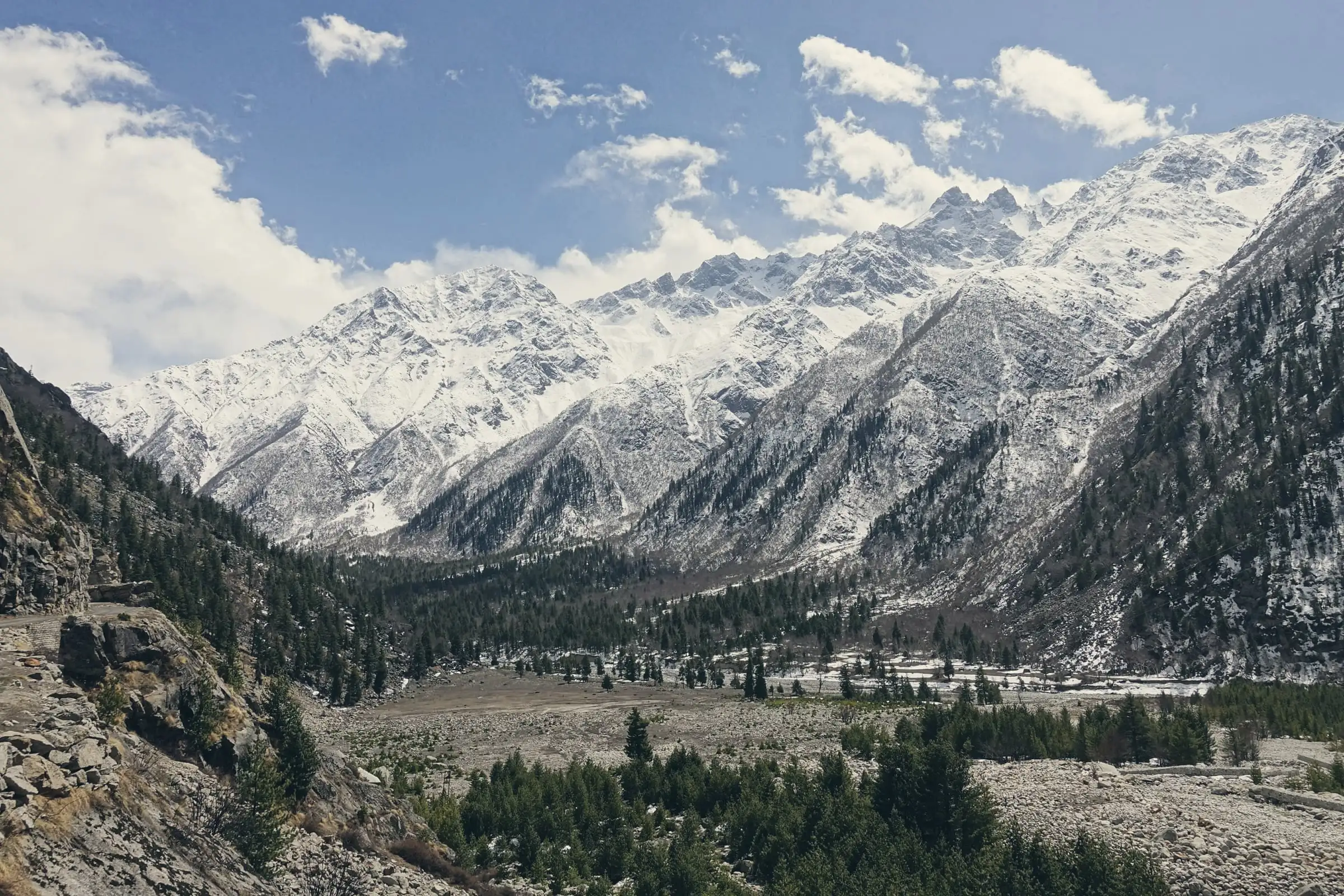
Kinnaur
Sangla, Chitkul & Kalpa on the road to Spiti


Sources
Facts on this page were checked against these sources on 25 November 2026. Fees, permits, timings and road openings change — check them before you travel.
- Banjar, India — Wikipedia — altitude; the Tirthan and Pushpabhadra; Jalori route from Shimla; attractions
- Great Himalayan National Park — Wikipedia — 1,171 km², established 1984, World Heritage Site 2014
- Jibhi and the Banjar valley — Discover with Dheeraj — secondary source for road distances
- Jalori Pass — Lonely Planet